
Am I Mexican enough?
Let's talk about mestizaje
I’m reading Didion’s “Notes from a Native Daughter”, where she claims an authentic Californian identity through her family's centuries-old roots in Sacramento Valley, lamenting that newcomers will never know the "real" California of her ancestors. This speaks to my own experience in Mexico.
I’ve had several people in Mexico City, after a chat in which both spoke Spanish in a Mexican accent, asked where I’m from. A security guard at the customs line at the airport was allowing Mexicans to go through a separate one but told me that I wasn’t Mexican. When foreigners ask me for traditional family recipes, I have trouble answering.
I am Mexican. I was born in Mexico City and have lived there most of my life. But how Mexican am I? What does being Mexican mean apart from being born here—jus soli and all? Is an identity inherited or built? How to address all this?
First off, my mom didn’t cook (nor my grandma). We had a cook, and most of our recipes apart from the traditional—store-bought—mole we had every Monday (and our breakfasts, which were always Mexican because it’s obviously the best breakfast in the world), my food memories lean more international. My favorite soup was sopa de bolita de queso. Literally a tomato based soup with cheese balls made from dough and mozzarella cheese. Sounds Italian, no? My mom probably got it from a random cookbook.
My cultural influences as a teenager were the internet and the books that I bought in bulk from Barnes and Noble on our yearly trips to the US. Lord of the Rings, Harry Potter, a lot of Stephen King and Jonathan Franzen, some Asimov and DeLillo, all of Pullman and Le Guin, and an unreasonable amount of artsy magazines. I rarely read Mexican authors except the classics: El laberinto de la soledad or Pedro Páramo.
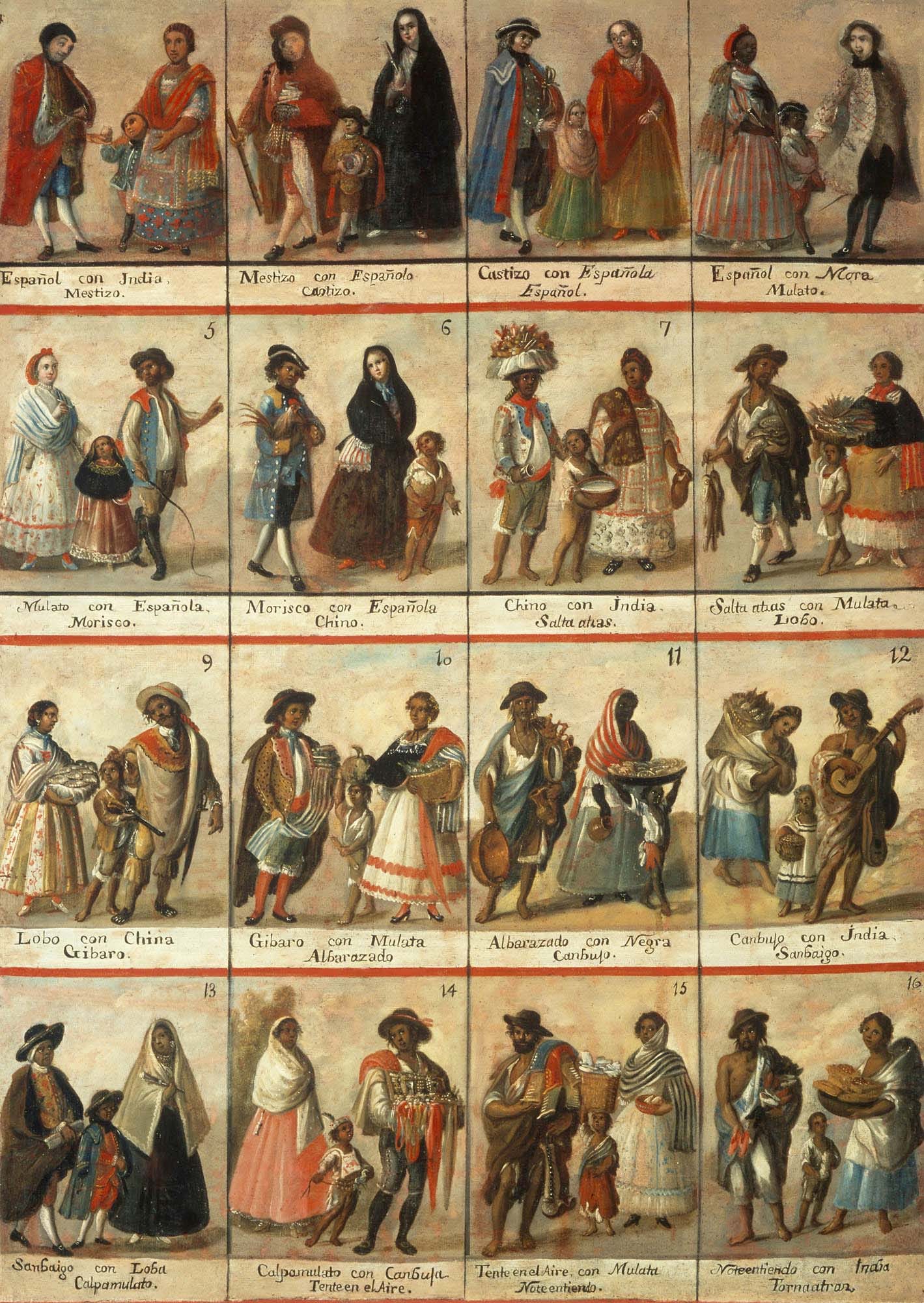
It’s cliché to say the Mexico is a country of mestizaje, but it’s true. Most Mexicans are mixed—ethnically and culturally. For 300 years, during La colonia, Spaniards mixed with native people, and their children mixed with other mixed children.
The colonial castas paintings showcase the obsessive cataloguing of every possible racial mixture—mestizo, mulato, castizo, morisco—trying to impose order on an increasingly unclassifiable population.
Mexico ultimately abandoned these rigid categories and built our national identity around mestizaje: being mixed itself.
The Americas is one of the only places where you can become from the country you move. You can become a first generation Mexican or American or Colombian by learning the language, embracing the customs and embodying the values. In Europe, your children might be considered French or German but you most definitely won’t. In China or Japan, you’ll never be from there, even your children. I follow a Japanese Youtuber who’s grandparents moved to Japan from the UK. He was born there, as his parents. He is fully Japanese in culture, but he is not ethnic Japanese, so people don’t regard him as local.
Mexican mestizaje is a bit different than the American “melting pot” approach. In the US people maintain an almost religious fervor to where they came from. It’s always Chinese- American, Vietnamese-American, Italian-American. American culture is made up of distinct identities all built around American values. Mexican culture actively erases the boundaries between the original and the adapted until the foreign becomes native and no one remembers or cares about the distinction.
I call it mexicanization.
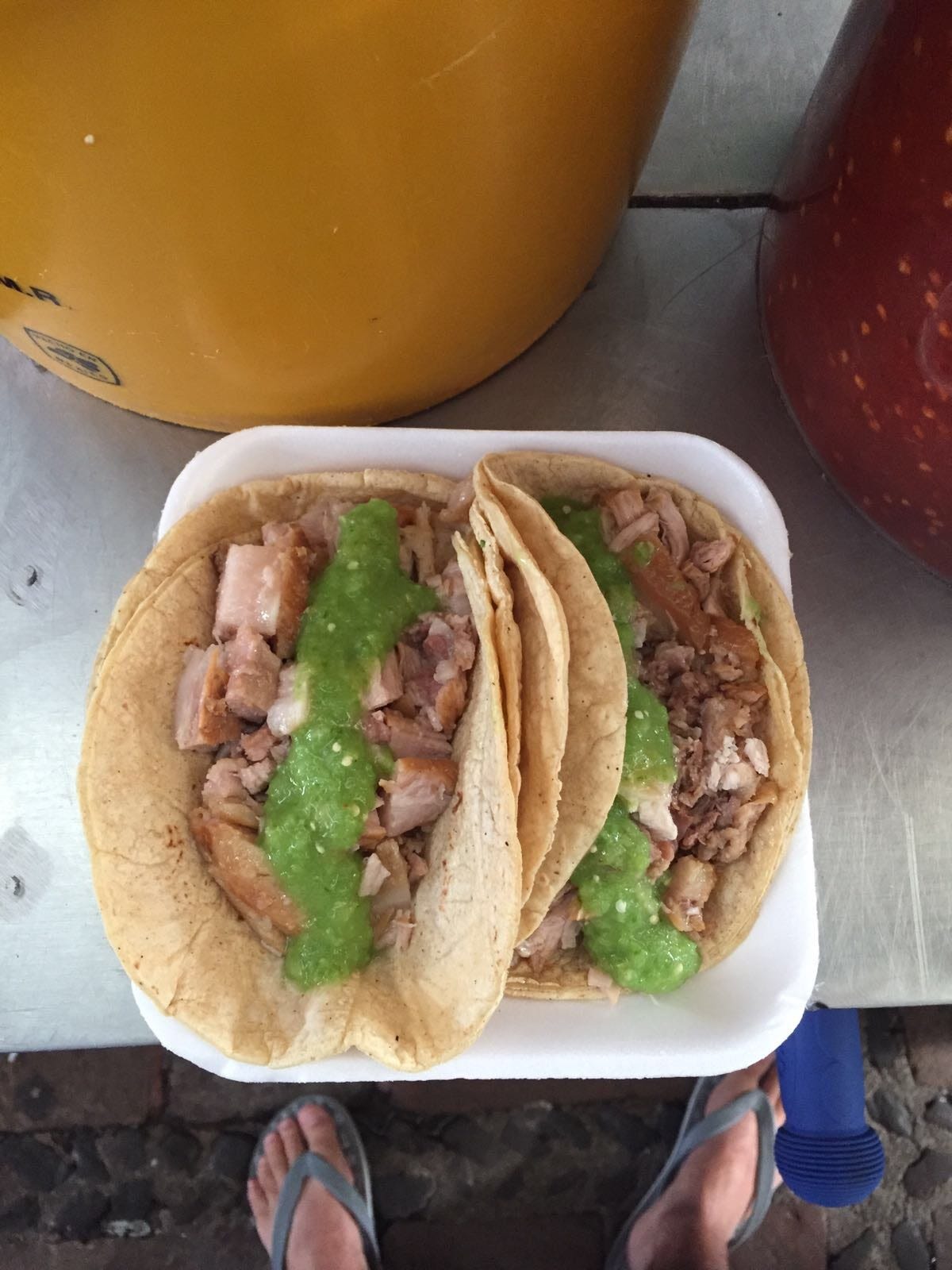
Taco al pastor was invented in the 1930s when Lebanese immigrants adapted their shawarma to Mexican tastes—swapping lamb for pork, adding chilies and pineapple, and serving it on corn tortillas. My husband’s family is Jewish from Syria and they eat their kebbes with guacamole. Banda music was a mexicanization of German polka brought by 19th-century immigrants to Sinaloa. Even churros and flan came from Spain.
Mexican culture is not about purity. Our identity isn’t inherited or given, but built and remixed.
Yes, I don’t know any traditional Mexican recipes and I don’t celebrate Dia de Muertos and I still don’t know what mole is madre from, and yet I've never felt more Mexican. Maybe that's the most Mexican thing of all, this confidence that identity doesn't need proof, just the stubborn certainty that you belong.
And fine, I also add lime to everything.
postscript 📮
How’s your relationship with your own national identity?
Can you truly become from somewhere else?
Yeah I mean who wouldn't want to immigrate to Japan or even China except the permanent multigenerational racism...